Rather than marching the streets in protest; tomorrow Greeks will march to the ballot boxes to voice their opinion on who they think should lead the country. The national elections are being held in Greece on Sunday and votes are certain to be driven by emotion and frustration, as the people seek a party to inspire and help the country rise up from the past three years that has seen Greece become a dirty word in the eurozone.
But the elections themselves appear to have no real impact on the current situation in Greece and will see political parties scramble for the little votes that will be cast.
Faced with the prospect of more budget cuts to keep international funds flowing, many voters are backing small anti-bailout parties that promise an end to austerity measures.
While polls show most People don’t want a return to the drachma, opponents warn that could tilt the balance in favour of rejecting the bailout terms and threaten Greece’s membership in the euro.
“At a time of crisis, populist parties, extreme parties find it easier to inspire people,” said Notis Mitarakis, 39, a former analyst with Fidelity International who is now standing for New Democracy.
“It’s difficult for me to inspire you. What can I tell you, that tomorrow morning you’ll be rich?”
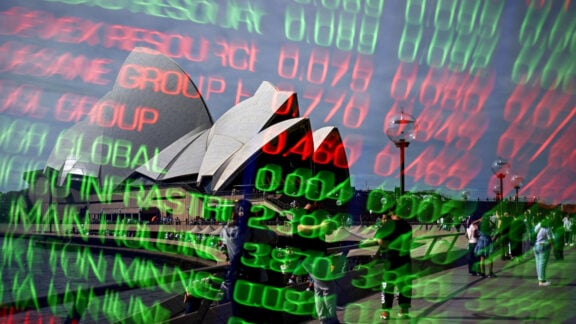
The Greek economy has shrunk more than 13 per cent over the past three years and the Athens stock market has lost more than two thirds of its value since the last election in October 2009, when former Prime Minister George Papandreou’s Pasok unseated New Democracy only to find the country’s debt had been understated. The parties have alternated power since the end of the military junta in 1974.
With voters balking at the burden of two bailout packages since 2010, the next government will have to persuade international creditors to keep aid flowing.
“No less than the future of Greece’s membership in the euro and the EU is at stake in the Greek election,” Joachim Fels, the chief economist at Morgan Stanley in London, wrote in a note on April 29. “If there is no stable majority for a continuation of the current policy path in the new parliament, Greece might abandon the program, the European partners might withhold further aid payments, and Greece might decide to leave the euro to monetise her debts and deficits.”
Polls show that as many as ten parties have a chance at entering parliament, underscoring how weary Greeks have become with higher taxes, salary cuts and the politicians responsible for implementing them.
While parties are split over the economic measures designed to keep Greece in the euro, most politicians and voters alike want to keep the currency
Greece goes to the polls two years after the government negotiated its first, 110 billion-euro package, from the EU and the IMF. That was followed by a second, 130 billion-euro package earlier this year, tied to the biggest debt restructuring ever.
Final opinion polls on April 20 showed New Democracy and Pasok with about 45 percent of the total vote following the interim government of Prime Minister Lucas Papademos that was backed by both parties. Anti-bailout parties on both the left and right are running at nearly the same support.
The undecided vote is around 20 per cent. That could buoy the two main parties, giving them a solid majority in the 300-seat parliament and providing the pro-bailout bloc with political firepower to silence critics, said Spyros Economides, a senior lecturer at the London School of Economics.
“If they together have 151 votes, basically they can do what they like but it will not be very popular,” he said. “If they have over 50 per cent of the popular vote, whether that’s 160 seats or 180 seats, that will give them a great degree of popular legitimacy because democracy has shown its hand.”
Fiscal prudence has never played well at the ballot box in Greece. Last time around, as the global financial crisis began to press on Greece, then-Prime Minister Kostas Karamanlis’s plea to voters to give him a mandate to freeze public-sector wages and hiring, cut spending and curb tax evasion fell on deaf ears. He was defeated by Papandreou’s promise of more spending.
Polls suggest New Democracy will place first, though without enough support to rule outright, leaving leader Antonis Samaras with the option of teaming with Pasok, now led by former Finance Minister Evangelos Venizelos, if he is to govern.
Failure to strike a deal and back the next government will likely lead to another election within months, the first time since 1989 that two votes would have been held in the same year.
There will be no grace period for any new government. International lenders expect to hear in June how Greece will detail 11.6 billion euros of savings for 2013 and 2014.
Samaras, 60, has appealed for a clear mandate to allow him to renegotiate parts of the terms for the EU and IMF funding. He has promised tax-cuts for businesses to boost growth and to slash waste in the public sector. He says his party has identified 18.5 billion euros of alternative cuts to replace some of those promised to the EU and IMF.
There is little, if any, appetite at the EU or IMF to renegotiate the agreement, Stephane Deo, the chief European economist for UBS Securities in London, said in a note to investors on May 2. He said there would be a “clear risk” that the IMF would refuse to make the next payment, followed by the EU. Greece “would simply run out of cash,” he said.